Best Fracture Treatment in Secunderabad: Types, Diagnosis and Recovery
Dr. G P R K Rohit
Posted on 10th September 2024•7 min read
A fracture can happen in an instant — a fall, a sports injury, or a road accident — but treating it correctly is what determines how well and how quickly you recover. This guide covers the different types of fractures, how they're diagnosed, and what recovery typically involves.
What Is a Fracture?
A fracture is a break or crack in a bone, ranging from a small hairline crack to a complete break with multiple fragments. Fractures can result from trauma, falls, sports injuries, or, in some cases, weakened bones due to conditions like osteoporosis.
Common Types of Fractures
- Hairline (stress) fracture: a small crack, often from repetitive stress
- Simple (closed) fracture: the bone breaks but doesn't pierce the skin
- Compound (open) fracture: the bone breaks through the skin, requiring urgent care
- Comminuted fracture: the bone shatters into multiple fragments
- Greenstick fracture: a partial break, most common in children
- Stress fracture: tiny cracks from overuse, common in athletes
Signs and Symptoms of a Fracture
- Sudden, sharp pain at the injury site
- Swelling, bruising, or visible deformity
- Inability to bear weight or move the affected area
- A grating or cracking sensation at the time of injury
How Fractures Are Diagnosed
Diagnosis typically begins with a physical examination followed by imaging tests. X-rays are the standard first step to confirm a fracture and assess its type and severity, while a CT scan or MRI may be used for complex fractures or to evaluate associated soft-tissue damage.
Fracture Treatment Options
Non-Surgical Treatment
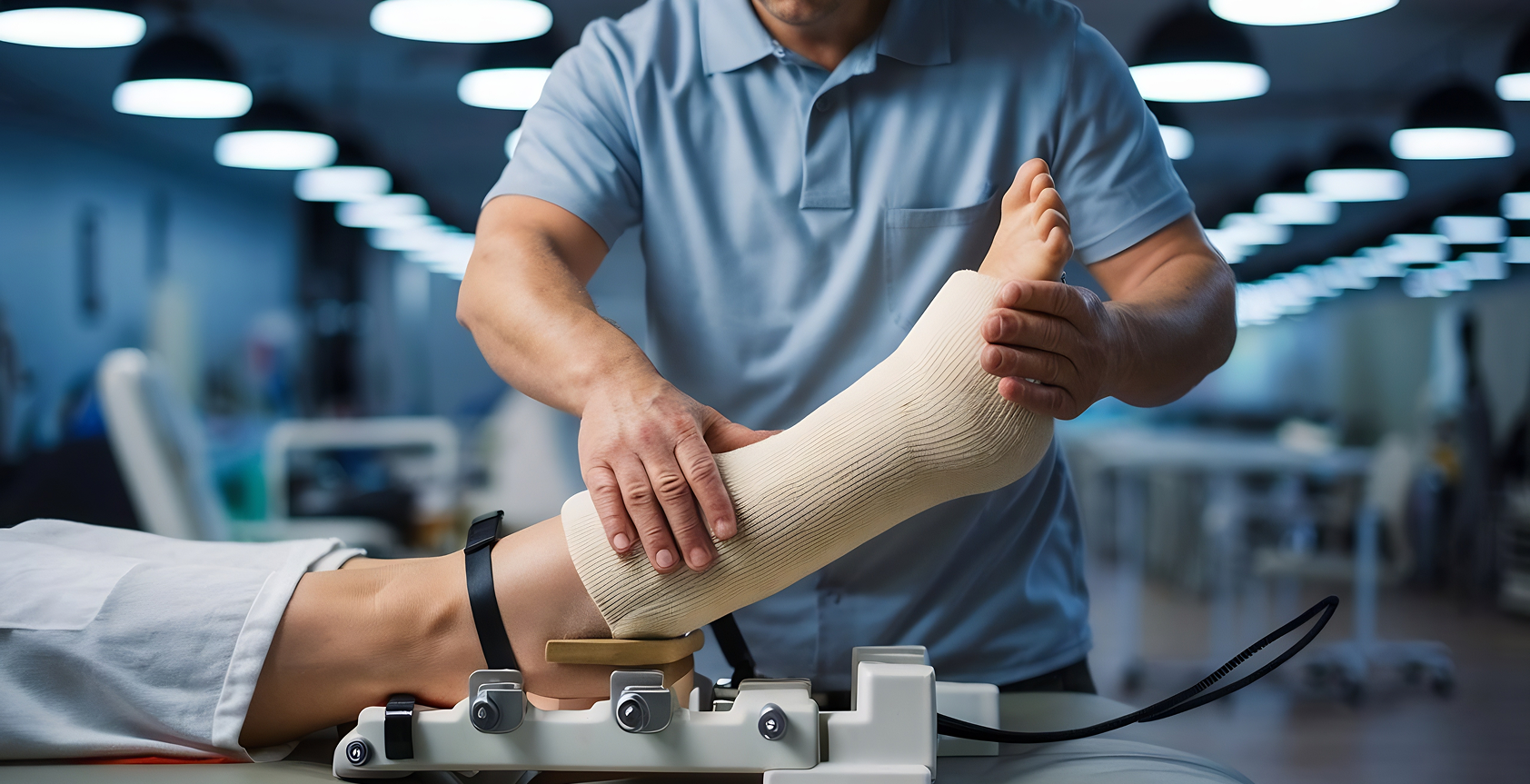
Many fractures can be treated without surgery using casting, splinting, or bracing to keep the bone stable while it heals naturally, along with pain management and activity modification.
Surgical Treatment
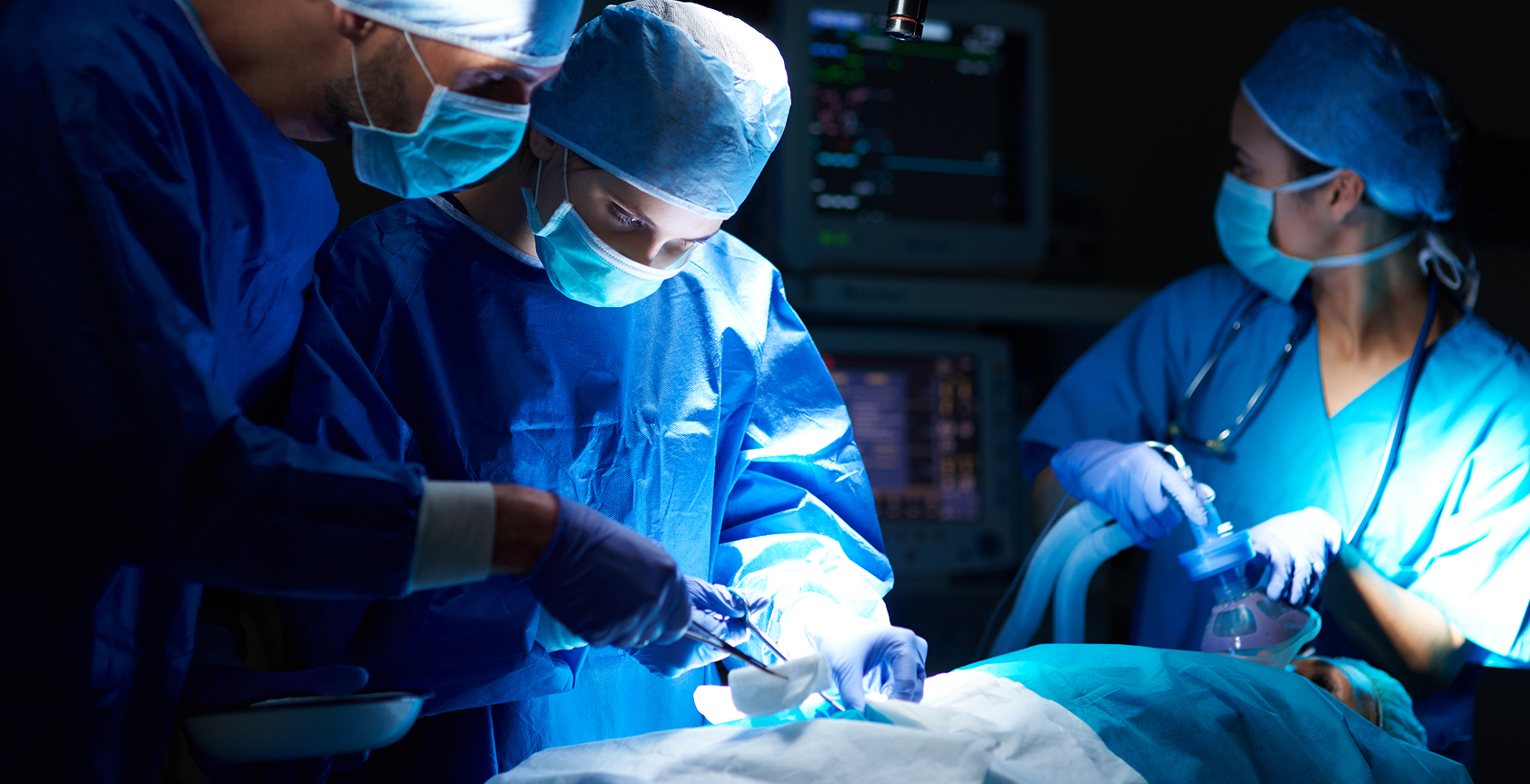
More complex or unstable fractures may require surgical fixation using plates, screws, rods, or pins to hold the bone in the correct position while it heals. In some cases involving severe joint damage, joint replacement may be recommended instead of fixation.
Recovery Timeline After a Fracture
- Minor fractures: Typically heal within 4–6 weeks with casting or bracing
- Moderate fractures: Around 6–12 weeks, often requiring physiotherapy afterward
- Complex or surgical fractures: 3–6 months or longer, depending on severity and location
Tips for Faster, Safer Fracture Recovery
- Follow immobilisation instructions strictly during the healing phase
- Attend all follow-up visits and imaging checks to monitor healing
- Begin physiotherapy as advised to restore strength and range of motion
- Maintain a balanced, nutrient-rich diet to support bone healing
- Avoid putting weight on the injured area until cleared by your doctor
Expert Fracture Care with Dr. GPRK Rohith Reddy in Secunderabad
Dr. GPRK Rohith Reddy offers prompt diagnosis and comprehensive treatment for fractures of all types and severities in Secunderabad — from simple casting to complex surgical fixation — supported by a structured rehabilitation plan aimed at helping patients heal fully and regain normal function.
Conclusion
Fractures require accurate diagnosis and the right treatment approach to heal properly and avoid long-term complications. If you suspect a fracture, prompt evaluation by an experienced orthopaedic specialist is the best way to ensure a smooth and complete recovery.